Abroad

Individual Caritas organizations and Caritas Czech Republic provide assistance to those in need from Haiti across the South American continent, Africa, Europe, the Middle East, to Asian countries. We alleviate humanitarian distress for people affected by war or natural disaster, development cooperation projects concerning health, education, agriculture, environmental protection.

Basic facts

Almost 102 projects and CZK 230 million – this is the balance of the activities of 11 Archdiocesan, Diocesan and regional Caritas organizations and Caritas Czech Republic abroad in 2019. Although we are primarily focused on aid in the Czech Republic, we are the second largest domestic humanitarian organization in the scope of our work abroad.

  • Individual archdiocesan, diocesan and district Caritas provided 70 development assistances and 1 humanitarian project in 20 countries mainly through partner organizations for more than CZK 61 million.
  • The Department of humanitarian help and development cooperation of Caritas Czech Republic worked on 31 humanitarian and development projects with a budget of almost CZK 169 million

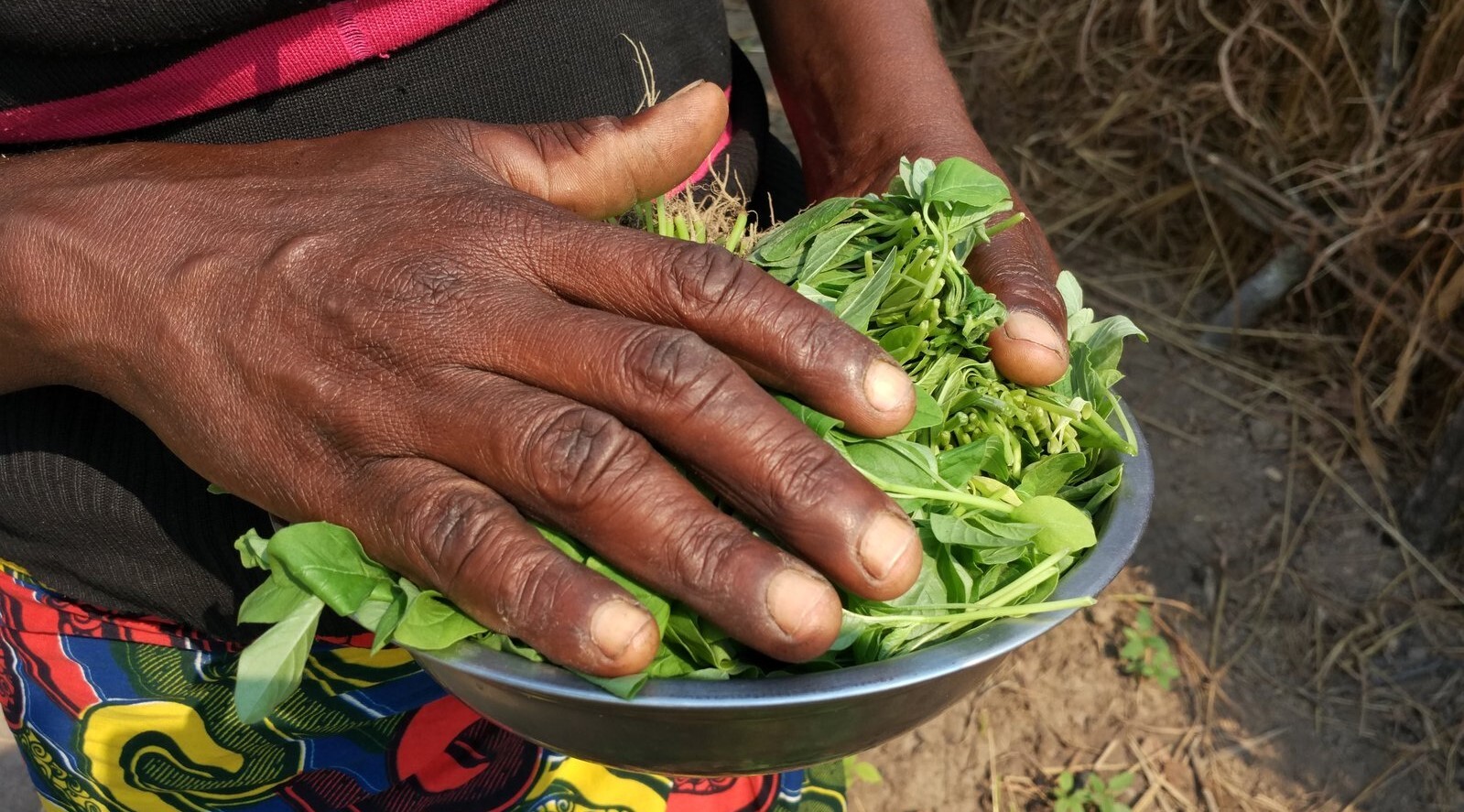
RS foto 3 nejlepší Mantapala Zambie

More

Generally, our help may be divided into humanitarian and official development assistance. If you want to learn more about those areas of help, continue to following website.

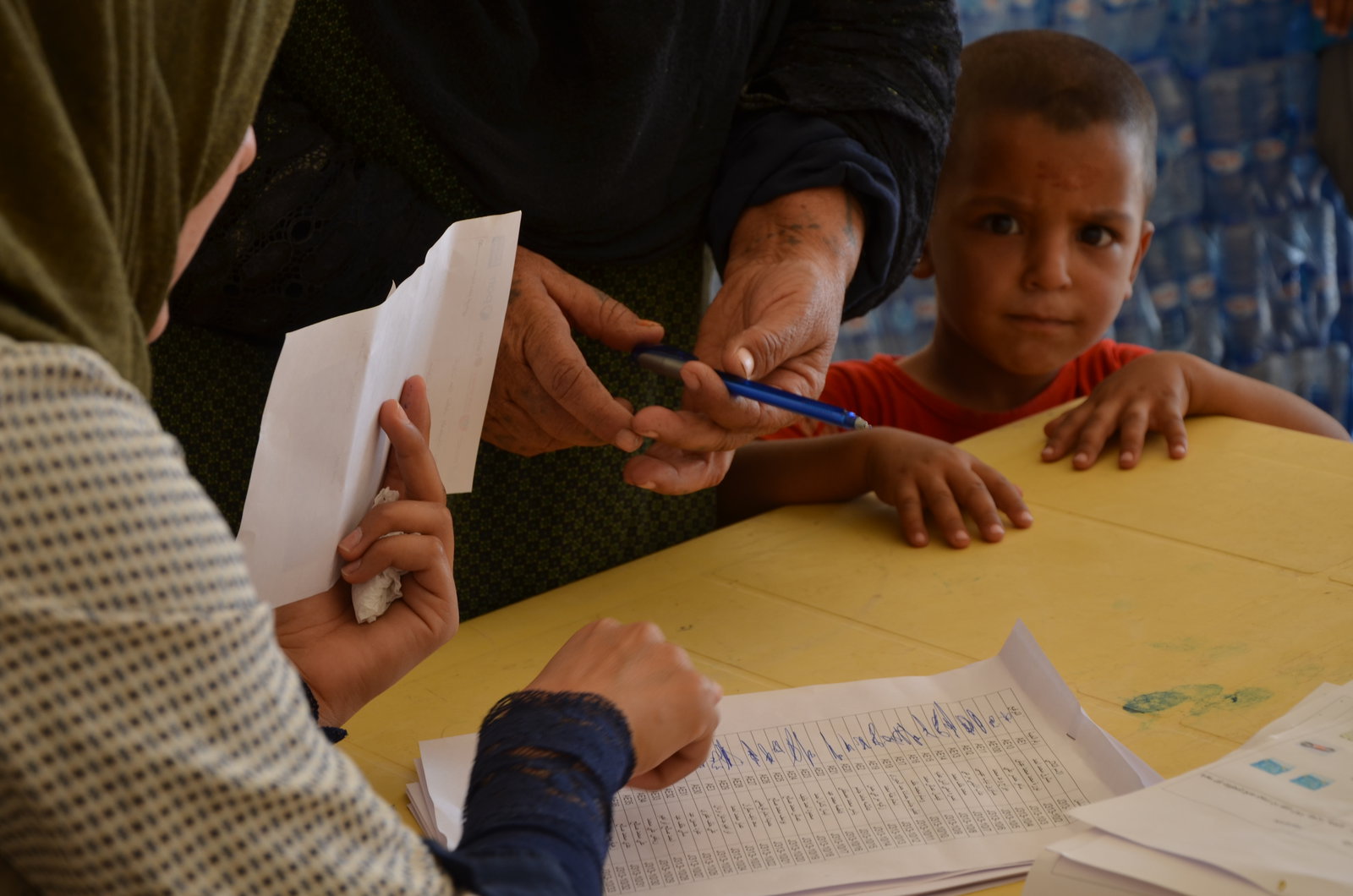
Illustrative photo

Humanitarian aid

We provide this mainly to people who have lost their homes in a conflict or after a natural disaster, if they are at risk of hunger, epidemics, non-availability of medical care. Recently, our aid has been largely channelled to the Middle East to make life easier for people in Iraq and Syria, as well as eastern Ukraine and Cambodia.

MORE

Illustrative photo

Development cooperation

In individual countries, we mainly focus on health, social work, agriculture and the provision of drinking water sources, supporting education and developing of small business and civil society. We take care of environmental protection and respect for human rights, focusing on strategic and sustainable development.

MORE


Ceasefire is not enough: War continues to threaten civilians, not only in Lebanon
April 27, 2026 Humanitární pomoc a rozvojová spolupráce Charity ČR

Ceasefire is not enough: War continues to threaten civilians, not only in Lebanon

A regional conflict that began at the end of February 2026 with an attack on Iran and soon spread to other countries has not stopped despite the announced ceasefire. The situation remains uncertain. In Lebanon, political leaders have advised internally displaced persons not to return home, which represents an opposite approach to the one they took during the conflict in 2024. In the country, almost one-fifth of the population has been forced to leave their homes, and more than one million people remain displaced. Caritas Czech Republic supports them through cooperation with Caritas Lebanon. 
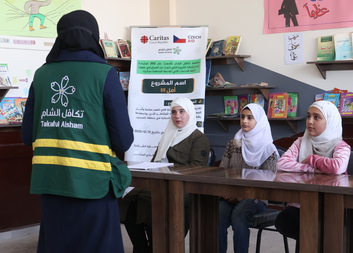
Story from Gaza: She was dependent on help from her family. Now, she dreams of walking on her own
April 22, 2026 Humanitární pomoc a rozvojová spolupráce Charity ČR

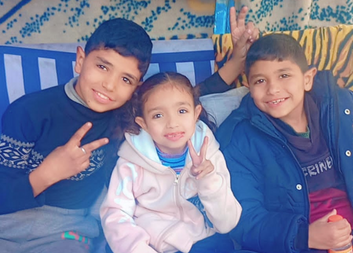
Story from Gaza: She was dependent on help from her family. Now, she dreams of walking on her own

As a little girl, Rafah learned what it felt like not to have her own freedom. She was born with cerebral palsy and a foot disability. As a result, she was unable to move without her family’s help. Her mother had to carry her everywhere, and Rafah could not play with her peers. With the beginning of the war in Gaza, her family was displaced to a refugee centre, where she received support from Caritas Czech Republic. Our social worker provided her with psychosocial assistance and arranged for her to receive a wheelchair, so she could become more independent. This story, with a happy ending, is about a girl who did not lose her brave spirit despite war or health difficulties.

At 14, Rana from Syria plans to become a doctor. She was encouraged by a programme supporting girls and women
April 15, 2026 Humanitární pomoc a rozvojová spolupráce Charity ČR

At 14, Rana from Syria plans to become a doctor. She was encouraged by a programme supporting girls and women

Rana was born at the beginning of the civil war in Syria. When she was just a few months old, she had to flee her hometown of Hayan in Aleppo with her parents and four older siblings. For a long time, they searched for a safe shelter. They moved from villages to towns and faced many difficulties. Eventually, they settled in the village of Kaljibrin in the countryside of Aleppo. But even there, they did not find the stability so necessary for young Rana. Hope arrived thanks to the programme supporting girls and women in Syria, implemented with assistance from Caritas Czech Republic. Rana began attending the sessions regularly and, gradually, she gained confidence and great ambitions for her future.

Cost of global conflicts: How wars impact the lives of civilians and the world around us
April 9, 2026 Humanitární pomoc a rozvojová spolupráce Charity ČR

Cost of global conflicts: How wars impact the lives of civilians and the world around us

Whether we talk about the deepening refugee crisis or the rise in global prices of oil and fuel, the current battles in the Middle East and other parts of the world show that conflicts do not stay within borders and their consequences are felt all around the globe. Wars affect civilians, the economy, the environment, and health systems. Moreover, the concerning news about international security and the suffering of innocent civilians worsens the well-being of many of us. Therefore, at the end of this article, you can read our advice on how to protect yourself from the constant waves of bad news

7 things you should know about the war in Gaza
March 30, 2026 Humanitární pomoc a rozvojová spolupráce Charity ČR

7 things you should know about the war in Gaza

The devastating war in Gaza has been ongoing since October 2023. It has left behind an indescribable level of destruction and suffering and has had an unprecedented impact on the civilian population there. The bombing and fighting in this enclosed strip of land have caused one of the greatest humanitarian disasters of our time, which continues despite the ceasefire from October 2025. What is the situation on the ground? What is behind the conflict?